

Wireless Security Camera Set Up
In today’s connected world, protecting homes and businesses has become a top priority, especially as remote work, online deliveries, and smart devices continue to grow. A reliable wireless security camera paired with a simple setup allows users to monitor their property in real time, no matter where they are. Modern security solutions are no longer bulky or complicated; instead, they are designed to be sleek, efficient, and easy for anyone to use.
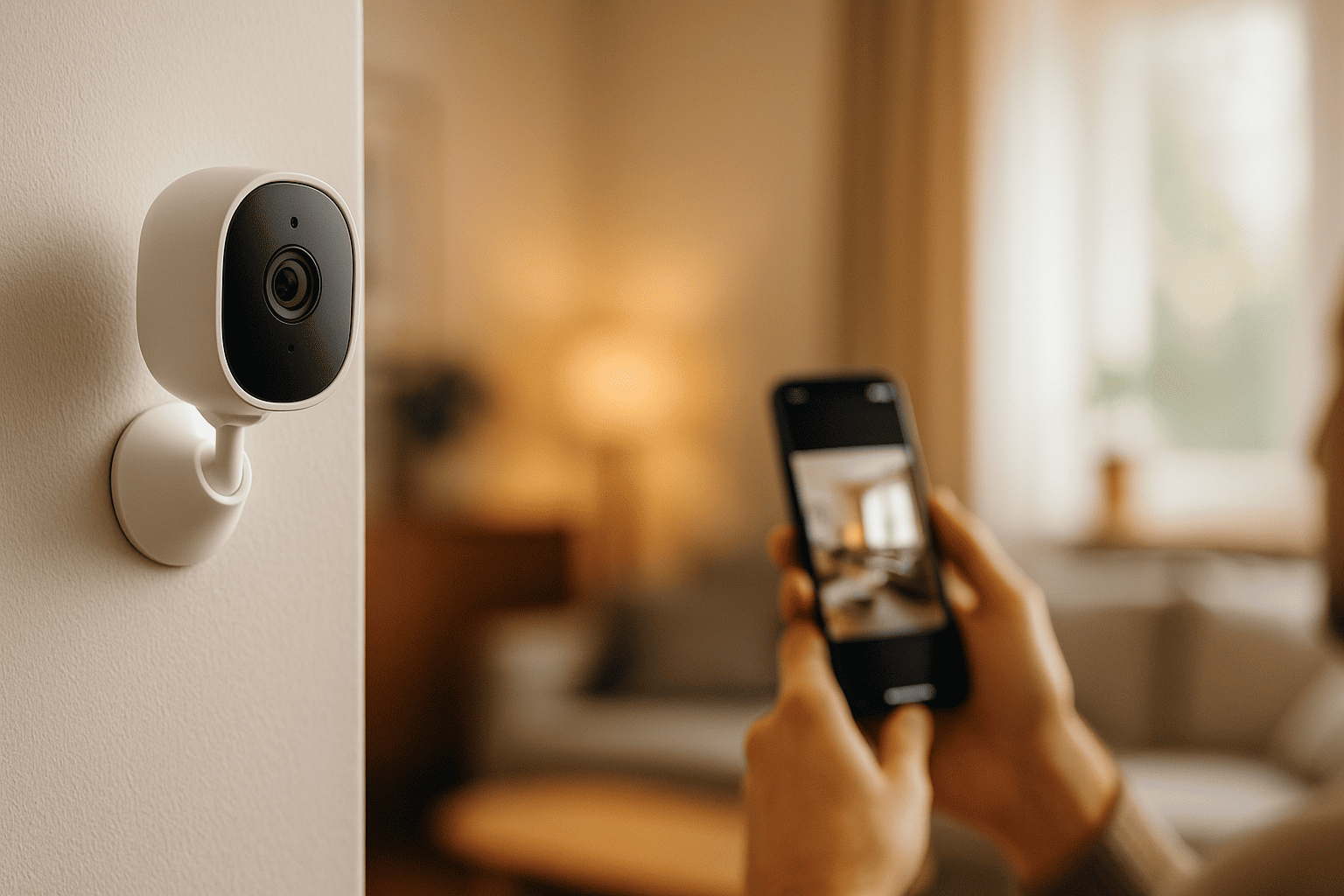
One of the main reasons people are moving away from traditional wired systems is the convenience offered by battery powered wireless security cameras. These devices remove the need for drilling holes, running cables through walls, or hiring professional installers. As a result, home security camera installation is faster, cleaner, and more cost-effective. Many of today’s models are considered the easiest security cameras to install, making it possible to complete a full security camera set up with just a smartphone and a few simple steps.
This blog is designed for homeowners, renters, and small business owners who want to install wireless security camera systems without technical hassle. Whether you need to set up camera units inside your home or office, this blog will help you understand the process clearly. If you’ve ever wondered how to install wireless camera systems the right way, you’ll find practical, easy-to-follow guidance here.
How Wireless Security Cameras Work
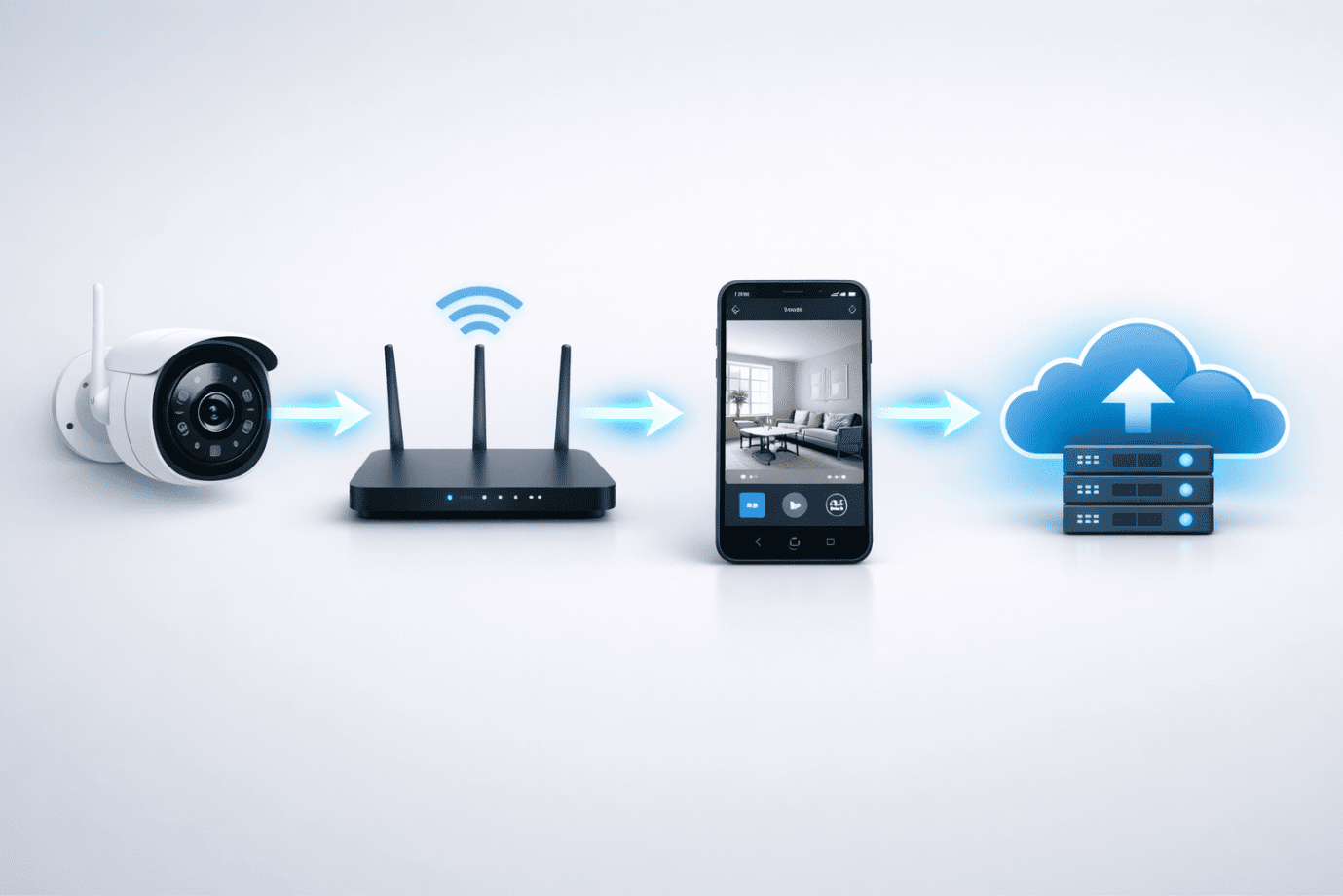
A modern wireless security camera uses Wi-Fi instead of physical cables to transmit video, making it far more flexible than traditional wired systems. This wireless approach simplifies wireless security camera installation and allows users to place cameras almost anywhere without running long wires. Whether you are using a compact indoor unit or an outdoor bullet camera, the set up process is designed to be quick and user-friendly.
1. Wireless vs. wired cameras
A wireless security camera differs from traditional wired systems in how it sends and receives data. Wired cameras rely on physical cables to transmit video to a recording device, which can limit placement and require professional installation. Wireless models, including popular options like the bullet camera, use Wi-Fi to send footage digitally, giving users greater flexibility when choosing where to mount or move their devices.
2. Role of Wi-Fi and internet connectivity
Most battery powered wireless security cameras connect to your home Wi-Fi network during the initial camera set up. Once connected, they can stream live video to your phone or computer. This wireless connection is what makes them some of the easiest security cameras to install, allowing you to set up camera units without running long cables or drilling through walls.
3. Cloud vs. local storage
During the security camera set up, users can choose how video is stored. Cloud storage uploads footage securely online for remote access, while local storage keeps recordings on SD cards or a local hub. Both options work well for a reliable security camera set up for home, depending on privacy and storage preferences.
4. Live streaming and motion detection
After a proper set up, cameras provide real-time video and smart motion alerts. These features allow homeowners to set up surveillance camera at home for instant activity tracking and quick response.
5. How video data is transmitted
When you install wireless security camera systems, video is compressed, encrypted, and sent over Wi-Fi to your device or cloud server, making wireless security camera installation simple and efficient.
Types of Wireless Security Cameras
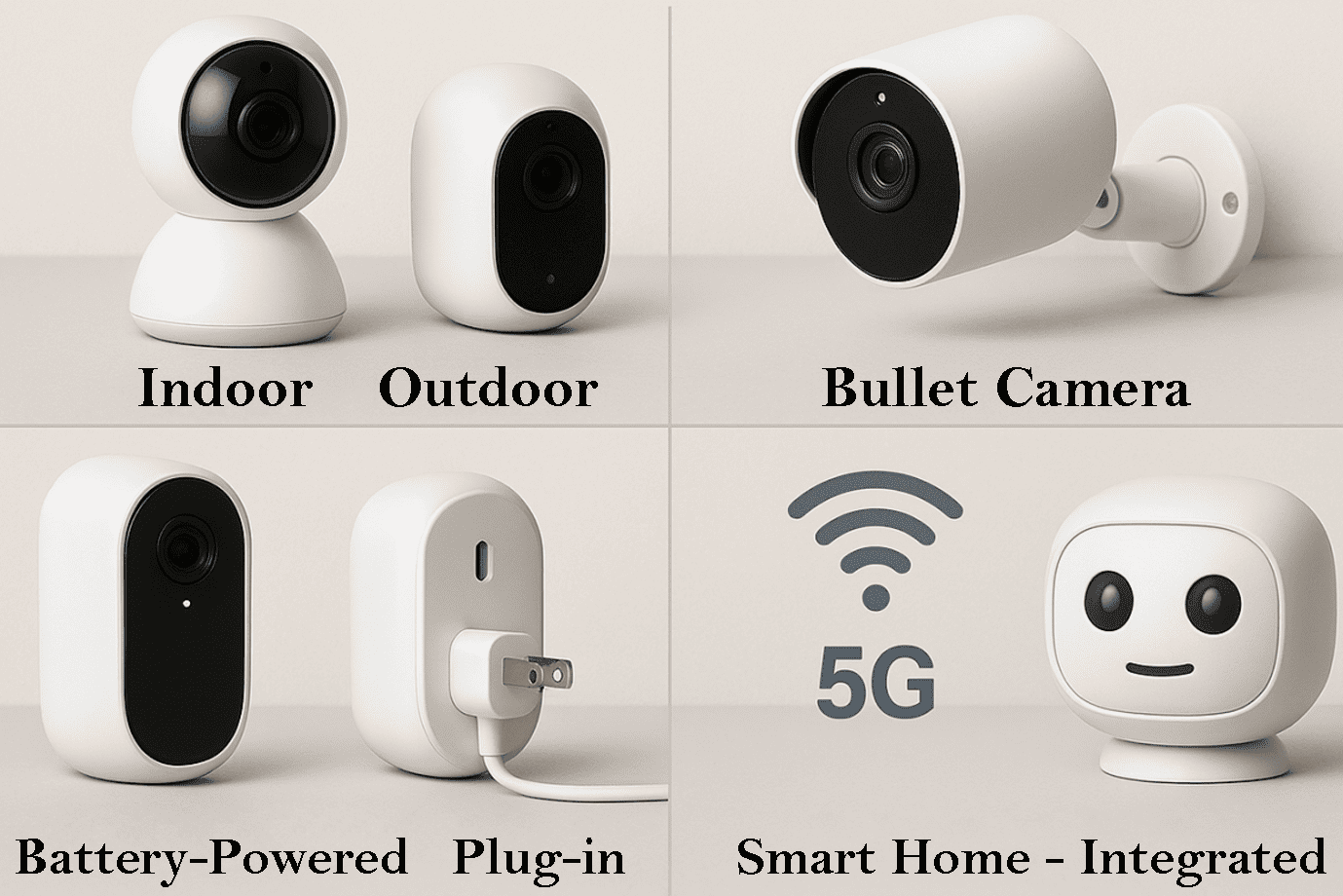
Choosing the right wireless security camera depends on where and how you plan to use it. Today’s market offers a wide range of models designed to meet different monitoring needs, making home security camera installation more flexible than ever.
-
Indoor Wireless Cameras:
These are perfect for monitoring nurseries, hallways, home offices, and living areas. It allow homeowners to set up camera devices quickly to keep an eye on kids, pets, or important spaces. With a simple set up, you can enjoy live viewing and alerts without complex wiring, making them ideal to be set up at home.
-
Outdoor Wireless Cameras:
Outdoor cameras are built to withstand rain, heat, and dust, often using durable bullet camera They feature night vision and smart motion alerts, making them excellent for protecting entrances, driveways, and backyards. When you install wireless security camera units outdoors, you create a strong first line of defense for your property.
-
Battery-Powered Cameras:
These are some of the easiest security cameras to install because they require no electrical wiring. A simple set up allows you to place them almost anywhere, and modern power management systems ensure long battery life with minimal recharging.
-
Solar-Powered Cameras:
Solar-powered models take convenience even further by using sunlight to stay charged. They are ideal for remote locations and work well as part of a larger security camera set up.
-
PTZ (Pan-Tilt-Zoom) Wireless Cameras:
These cameras can rotate, tilt, and zoom to cover wide areas. They integrate smoothly into an nvr camera system setup, making it easy to set up at home and understand how to install wireless camera systems for full property coverage.
Step-by-Step Wireless Security Camera Set up
Setting up a wireless security camera may sound technical, but modern systems are designed to be user-friendly. With the right planning and a smooth set up, you can build a reliable security camera setup for home in just a short time.
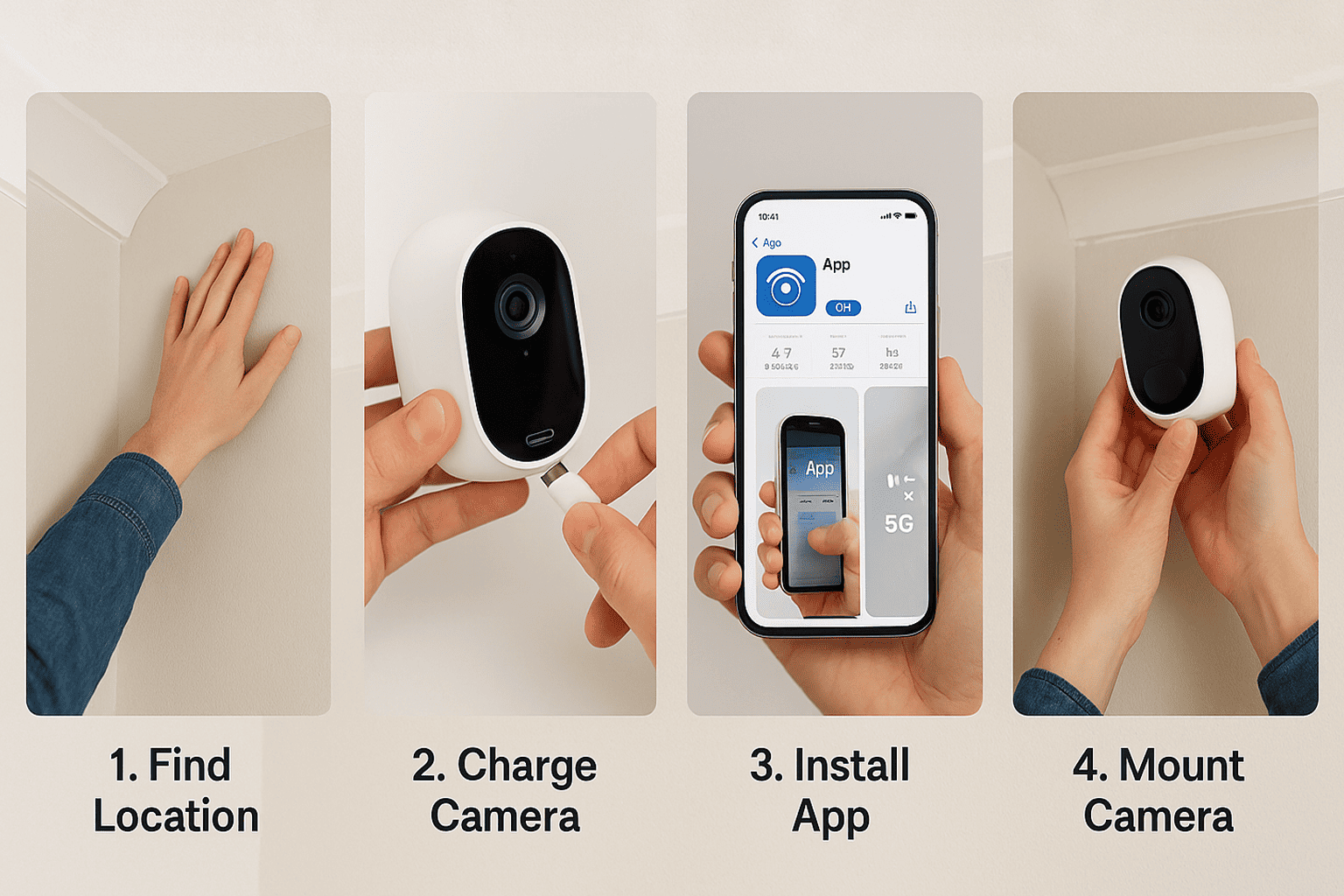
Step 1 – Choose the Right Camera Locations
Before you set up camera devices, identify the areas that need the most protection. Focus on coverage zones such as front and back doors, driveways, garages, and main hallways. These entry points are common targets for intruders, so placing a bullet camera or indoor unit here ensures maximum visibility. A well-planned installation helps eliminate blind spots and creates a more effective set up at home.
Step 2 – Powering the Camera
Most battery powered wireless security cameras need to be fully charged before installation. Make sure the battery reaches 100% for best performance. Plug-in models simply require a nearby power outlet, making them one of the easiest security cameras to install for continuous use. Proper power preparation ensures your security camera set up runs without interruption.
Step 3 – Download the Camera App
Every modern wireless security camera uses a mobile app for control and monitoring. Download the official app on Android or iOS and create your account. This app will guide you through the cam set up, from pairing the device to customizing alerts.
Step 4 – Connect Camera to Wi-Fi
To install wireless security camera systems successfully, connect them to your home Wi-Fi. Many models use QR code scanning for instant pairing, while others allow manual network selection. This step is essential for live viewing, cloud storage, and integration with an nvr camera system setup.
Step 5 – Mount the Camera
Once connected, mount the camera in your chosen location. Wall and ceiling mounts work well indoors, while outdoor installations should use weather-resistant fittings. Whether you’re completing a standard mount or a ptz camera installation, secure placement is the key for a stable and long-lasting setup.
Step 6 – Adjust Camera Angle & Test View
Finally, adjust the angle to cover the target area clearly. Use the live view to test visibility, motion detection, and zoom. This final check ensures your set up is complete and confirms you understand how to install wireless camera systems for maximum protection.
Best Placement Tips for Maximum Coverage
Proper placement is just as important as choosing the right wireless security camera. A well-planned set up ensures you capture clear footage and eliminate blind spots, making your entire security camera set up for home more effective.
-
Front Door & Back Door:
Start with the front and back doors, as these are the most common entry points for intruders. Position a bullet camera above the door frame, angled slightly downward to capture faces and packages. This is a key step when you install wireless security camera units for exterior protection. Make sure the camera is high enough to prevent tampering but low enough to capture clear details.
-
Driveway:
It is another critical area. Mounting cameras here helps monitor vehicles and detect motion early. Many homeowners use battery powered wireless security cameras for this location because they are easy to move and recharge, making them part of the easiest security cameras to install.
-
Backyard:
For the backyard, place cameras near gates, patios, or storage sheds. This helps you set up surveillance camera at home in areas that are often hidden from street view. When doing the installation, ensure these cameras have strong Wi-Fi connectivity.
-
Indoors:
Inside the home, hallways and staircases act as natural pathways. A simple cam set up here allows you to track movement between rooms, strengthening your overall set up.
-
Avoiding glare, direct sunlight & Wi-Fi dead zones:
Finally, avoid glare, direct sunlight, and Wi-Fi dead zones. When learning how to install wireless camera systems or performing ptz camera installation as part of an nvr camera system setup, always test the signal strength and viewing angle to ensure consistent coverage and high-quality video.
Connecting Your Wireless Camera to Mobile App & Cloud
Connecting your camera to a mobile app and cloud platform is what turns a basic device into a smart wireless security camera system. This step allows you to monitor, control, and store footage remotely, making your overall set up more powerful and convenient.
-
Set up live view:
After completing the physical home security camera installation, connect your wireless security camera to the mobile app. The guided set up allows you to access live video, so you can instantly see what’s happening around your home or business from anywhere.
-
Enable motion alerts:
Once the camera is online, turn on motion detection alerts. This helps you set up surveillance camera at home for real-time notifications whenever movement is detected. Even battery powered wireless security cameras use smart alerts to reduce false alarms and save energy, making them among the easiest security cameras to install and manage.
-
Configure cloud storage:
During the set up, you can activate cloud storage to save recordings securely online. This provides an extra backup option beyond an nvr camera system setup, ensuring your footage is always available even if the camera is damaged or stolen.
-
Manage multiple cameras:
The mobile app lets you set up camera groups to view all your feeds in one place. Whether you’re monitoring a bullet camera outside or completing a ptz camera installation, multi-camera control simplifies your entire set up.
-
Remote access and control:
With everything connected, you can install wireless security camera systems and control them remotely. The app makes it easy to understand how to install wireless camera devices and adjust settings anytime for a complete set up for home.
How to Secure Your Wireless Camera System
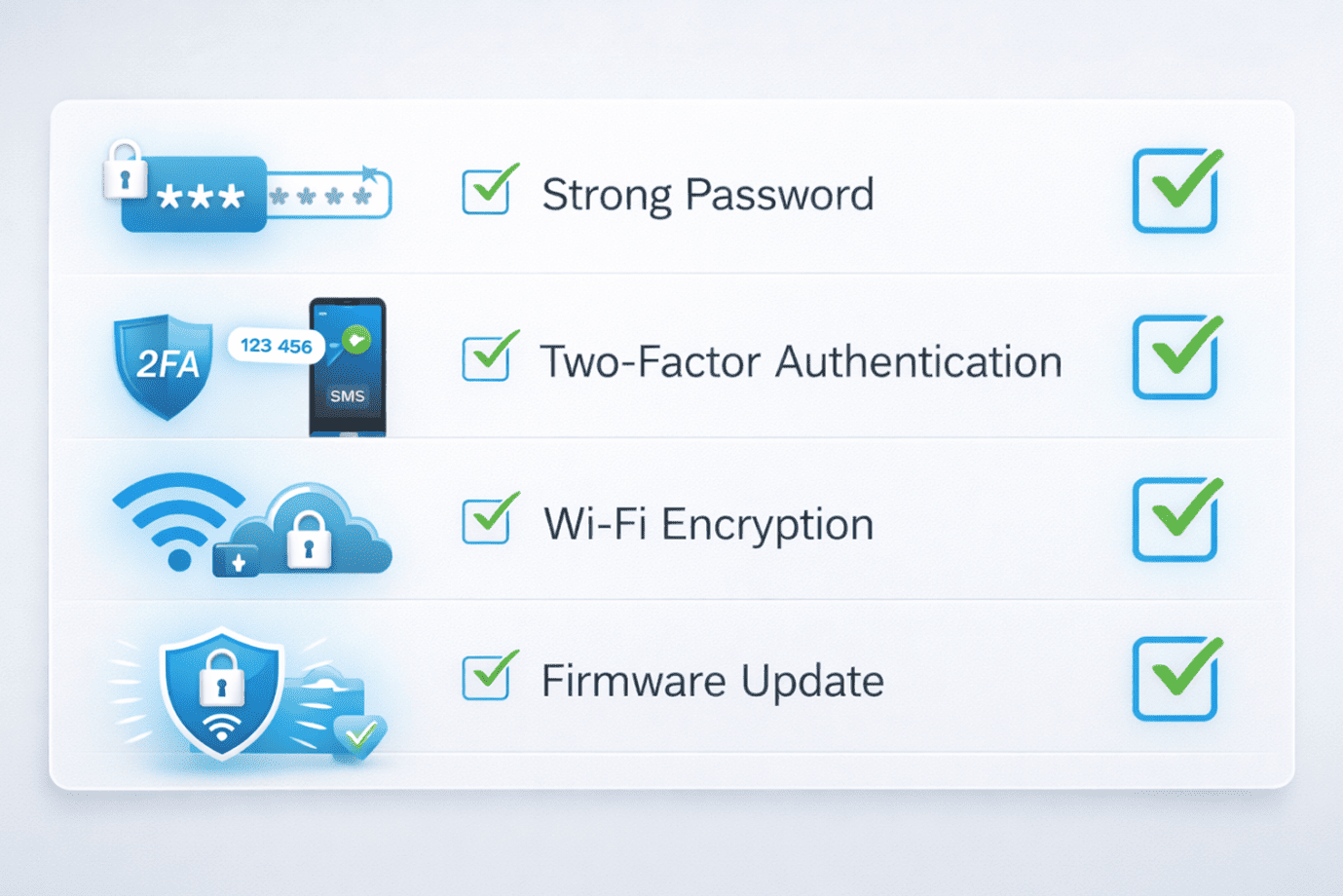
Securing your wireless security camera system is essential to protect your privacy and keep your video data safe. A few simple settings and best practices can make your security camera set up for home far more resistant to hacking and unauthorized access.
-
Change default passwords:
After completing your wireless security camera installation, the first thing you should do is change the default login credentials. Many cameras ship with common usernames and passwords that are easy to guess. Updating them during the initial set up helps protect your security camera set up for home from unauthorized access.
-
Enable two-factor authentication:
Two-factor authentication adds another security layer to your system. Whether you set up camera units for indoor use or manage a full nvr camera system setup, this feature requires a second verification step, making it much harder for anyone to break into your account—even if they know your password.
-
Use WPA3 Wi-Fi security:
Your battery powered wireless security cameras rely on your Wi-Fi network to transmit video. Using WPA3 encryption keeps that data safe from interception. This is especially important when running a cam set up that includes outdoor devices like a bullet camera or advanced ptz camera.
-
Keep firmware updated:
Firmware updates patch security flaws and improve system stability. After you install wireless security camera systems, regularly check for updates to ensure your devices stay protected and function at their best.
-
Avoid public Wi-Fi:
To safely set up surveillance camera at home, never connect your cameras to public or unsecured networks. A private, encrypted connection is essential for anyone learning how to install wireless camera systems securely.
Troubleshooting Common Wireless Camera Issues
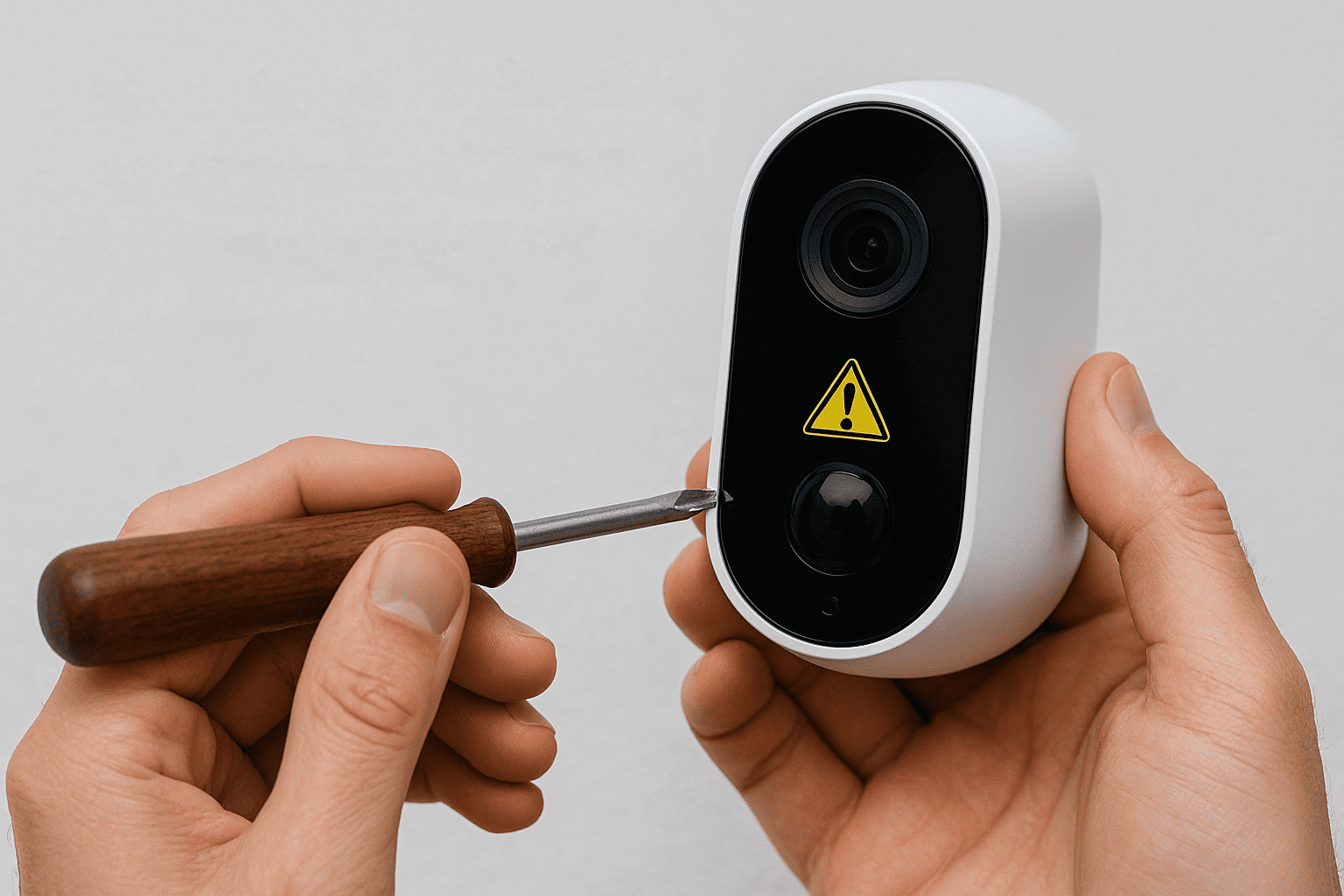
Even the best wireless security camera systems can occasionally run into problems, especially after a new camera set up or changes to your Wi-Fi network. Knowing how to identify and fix common issues helps keep your wireless security camera running smoothly.
-
Camera not connecting to Wi-Fi:
When a wireless security camera fails to connect, it is usually due to network issues or incorrect settings during the set up. Make sure your Wi-Fi is working and that the camera is within range of the router. During home security camera installation, double-check the network name and password you used when you set up camera.
-
Video lag:
Video delays often happen because of weak Wi-Fi signals or slow internet speed. Whether you are streaming from a bullet camera or managing a full nvr camera system setup, placing the camera closer to the router or using a Wi-Fi extender can improve performance and stabilize your set up.
-
Offline camera:
If a camera goes offline, it may have lost power or network access. For battery powered wireless security cameras, check the battery level. Plug-in cameras should be inspected for loose cables. Restarting the device after you install wireless security camera systems often restores connectivity.
-
Motion alerts not working:
Motion alerts depend on proper sensitivity and zone settings. Review these in the app to ensure your security camera set up for home is actively detecting movement more effectively.
-
Battery draining quickly:
Fast battery drain can occur with frequent motion detection or live viewing. Reducing these features and updating firmware after ptz camera installation or learning how to install wireless camera systems properly will help conserve power and improve overall performance.
FAQs
Q1. What is a wireless security camera and how does it work?
- A. A wireless security camera uses Wi-Fi to transmit video instead of physical cables. During the set up, the camera connects to your home network and streams footage to a mobile app or cloud, making modern security camera set up simple and flexible.
Q2. Are battery powered wireless security cameras reliable for daily use?
- A. Yes, battery powered wireless security cameras are designed for long-term use with efficient power management. They are ideal for home security because they can be placed anywhere without needing electrical wiring.
Q3. How do I install a wireless security camera at home?
- A. To install wireless security camera systems, you simply mount the device, connect it to Wi-Fi, and follow the app-based cam set up. This makes installation of wireless camera systems easy even for beginners.
Q4. Which areas are best for setting up a bullet camera?
- A. A bullet camera is best placed at front doors, back doors, and driveways. These locations improve your overall set up by capturing clear entry-point footage.
Q5. Why are wireless cameras considered the easiest security cameras to install?
- A. They do not require drilling or wiring, which makes them the easiest security cameras to install. With a simple set up process through a mobile app, anyone can complete a full set up quickly.
Q6. Can I connect multiple cameras in one system?
- A. Yes, you can manage several cameras through a single app or nvr camera system setup. This allows you to set up surveillance camera at home across different rooms and outdoor areas from one dashboard.
Q7. What is PTZ camera used for?
- A. PTZ camera is ideal for covering large areas because these cameras can pan, tilt, and zoom. They add flexibility to your wireless security camera system and reduce the number of devices needed.
Q8. Do wireless cameras work well indoors and outdoors?
- A. Yes, both indoor and outdoor wireless security camera models are available. Whether you’re handling home security camera installation indoors or securing outdoor areas, wireless cameras provide reliable coverage.
Q9. What should I do if my camera is offline after setup?
- A. Check the Wi-Fi connection and power supply. Restarting the device and repeating the cam set up often fixes the issue and restores your security for home.
Q10. Is it expensive to set up a wireless surveillance system?
- A. Not at all. With battery powered wireless security cameras, you avoid wiring and installation costs. This makes it affordable to set up surveillance camera at home while still getting professional-level security.
Conclusion
Investing in a modern wireless security camera system is one of the smartest ways to protect your home, family, and property. Unlike traditional systems, today’s cameras offer flexible features, remote access, and advanced monitoring options that make everyday security simple and reliable. From compact indoor units to outdoor bullet camera models and advanced ptz cameras, there is a solution for every security need.
One of the biggest advantages is how easy these systems are to install. With battery powered wireless security cameras, you don’t have to worry about complex wiring or expensive professional services. A guided set up through a mobile app makes them some of the easiest security cameras to install, allowing anyone to quickly set up camera in just minutes. Whether you are handling a simple cam set up or a complete nvr camera system setup, the process is designed to be smooth and user-friendly.
Choosing to install wireless security camera systems also gives you complete control over your security camera for home. You can set up surveillance camera at home exactly where you need coverage, ensuring no blind spots are left unprotected. With clear guidance on how to install wireless cameras, even beginners can create a professional-grade security network.
If you’re ready to enhance your home’s safety and enjoy peace of mind, now is the perfect time to get started. For expert assistance and reliable solutions, you can contact us using the number provided on our Homepage.
 Call +1-865-366-9023